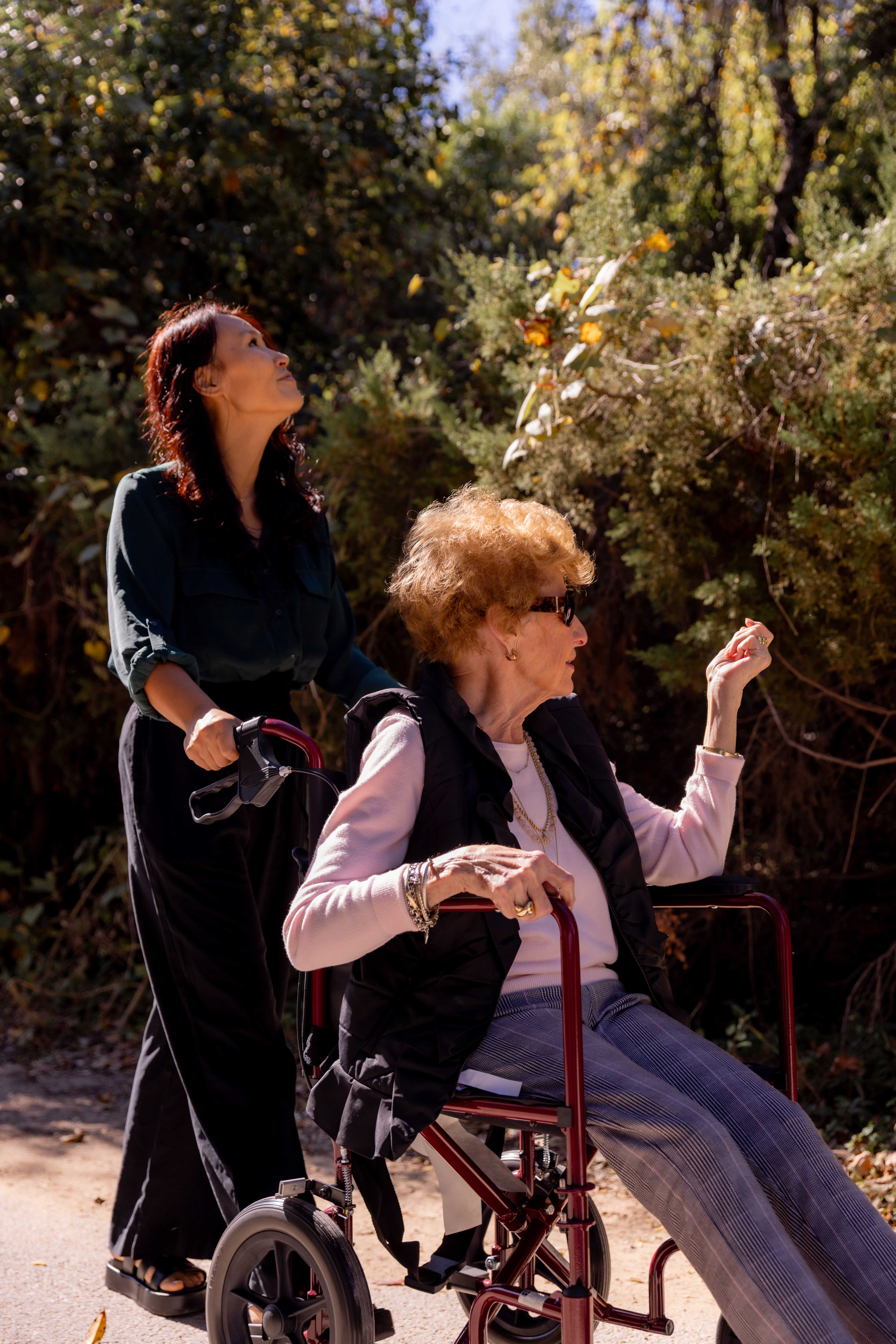
Stepping into a caregiving role can feel like falling into a job you never trained for. You want to do right by your loved ones, but there's a steep learning curve for helping another adult get through daily life, and it carries real emotional weight. A 2025 report from AARP and the National Alliance for Caregiving found that more than 63 million Americans are now family caregivers, and most of them started without a roadmap.
If you’re new to caregiving, the tips below can help you find your footing. You don’t have to figure everything out at once, but adopting a few strategies early can make the road ahead a lot smoother.
Before you dive into a new routine, take time to understand the full scope of what your loved one requires. Helping with meals and errands is very different from managing medications or assisting with bathing. Talk to their doctor about their current needs as well as what might change in the coming months. The more you know up front, the easier it is to plan realistically and avoid feeling blindsided later.
One of the biggest mistakes new caregivers make is trying to handle everything alone. That instinct is understandable, but it’s not sustainable. Reach out to family members, friends, and neighbors who might be willing to pitch in, even with small things like picking up groceries or sitting with your loved one for an hour. Most people genuinely want to help — they just might need to be asked first.
Coordination tools like shared calendars or apps such as CaringBridge can make it easier to divide tasks without the back-and-forth of constant phone calls.
Caregiver burnout is more common than most people realize. According to the same AARP report cited above, 64% of family caregivers say the work is emotionally stressful, and nearly 20% reported that caregiving has negatively affected their own health.
Look out for warning signs of caregiver burnout, like irritability, fatigue, trouble sleeping, or losing interest in things you used to enjoy. If these sound familiar, you should try to get support before you reach a breaking point. Remember, feeling overwhelmed doesn’t just affect your health but also the quality of care you’re able to provide.
Respite care services bring professional providers to your loved one's home to offer personal care, companionship, and supervision while you take a break. Some health plans include respite care benefits, so check your family member's program to see what’s available.
Even if support for family caregivers isn't covered, having scheduled time off to recharge can be well worth the out-of-pocket expense. Don't think of taking regular breaks as a luxury — it's essential for both your and your loved one's long-term care.
Connecting with other caregivers can make a world of difference. Online or in-person support groups give you a space to share what you’re going through with people who truly understand. Local Area Agencies on Aging can point you toward groups and resources in your community, and organizations like the Caregiver Action Network offer support at the national level.
Caregiving is one of the most demanding things you’ll ever do, but it’s also one of the most meaningful. Give yourself the grace to learn as you go, ask for help when you need it, and remember that taking care of yourself is part of taking care of someone else.


.svg)