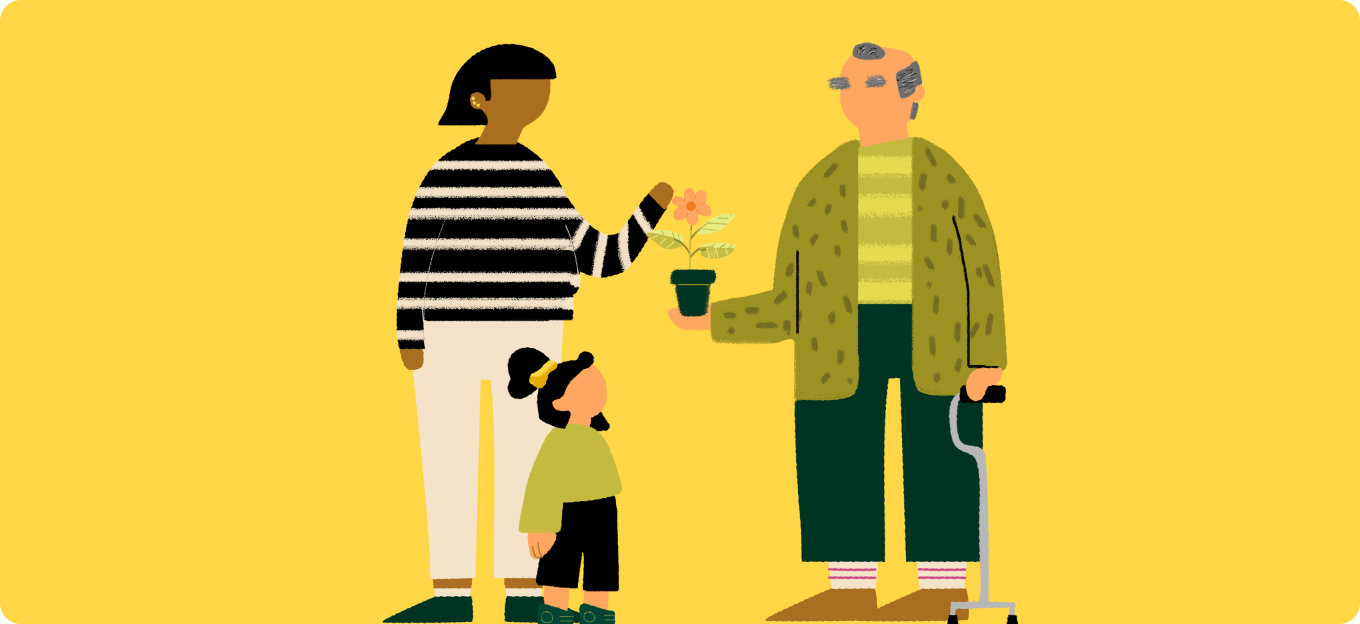
The smell of Old Spice cologne, and the vast possibility of a newly bought Mead composition notebook — these two items transported our guests back to their younger days of living with and learning from their grandparents. Now, they symbolize the memories and lessons passed down through generations.
Kenneth D. Thompson, Sr., and Laura J. Cortez, PhD, visited The Helper Bees headquarters in September 2026 to share their perspectives on connecting across generations and what aging looks like for older adults today. Through a conversation filled with food, laughter and tears, we were reminded that what our elders give us goes far beyond physical objects — they shape our stories. Those of us who follow in their footsteps must never forget the role they played in our lives, and it's important that we let them know the distinct purpose they still serve today.
Kenneth and Laura are often reminded of their grandparents because they’re now caring for their moms. In watching them age, they see a world that's vastly different from the one their grandparents experienced. Aging in place is no longer engrained into everyday life — rather, it’s dependent on the ability to drive, to navigate an AI phone bot, to spot a scam, or to pay someone for in-home support. When an older adult’s access or ability to maintain these aspects slips, the responsibility falls to an overwhelmed system of people and policies. We begin to hyperfocus on their health and categorize older adults by their clinical needs — and we lose sight of nurturing their sense of purpose.
In this conversation, I was centered on a key reflection: Older adults don’t just need a place to live — they need a place to give. For Kenneth and Laura’s moms, this means learning piano with the grandkids, keeping the home garden flourishing, and combining physical and intellectual stimulation with socialization. It’s not easy to integrate purpose into aging in place for both older adults and their caregivers — it takes a balance of continuing to empower their independence while ensuring their health and safety. I was reminded that this balance can look different each day, or even each hour. But the benefits of being able to strike it are vast.
The lived experiences of Kenneth and Laura’s families are not one-offs — they reflect an idea that researchers have been surfacing, which is that a sense of purpose can have a positive impact on health and aging. A 2026 meta-analysis that included studies from around the globe combined data on nearly 490,000 adults followed for up to 32 years. People with a stronger sense of purpose, defined as the feeling that life has direction and goals, had about a 24% lower risk of dying earlier. Health behaviors, medical conditions, and depression explained only part of that link, and it held across age groups, including older adults.
If we zoom in further on older adults in the U.S., we see the same trends. . A study of more than 4,500 Americans 65 and older with Medicare Supplemental coverage found that those with a strong sense of purpose experienced fewer hospital stays and ER visits, were more likely to stay on their medications, and reported better physical and mental quality of life. They also tended to have more social support.
Neither study proves that purpose causes better health, but together, they tell us purpose is more than a “nice to have” when we think about aging. It’s a seed that, when planted early, reaps benefits for years. Kenneth and Laura reminded us that this process should begin long before someone needs in-home care. It takes time to build a system that fosters relationships, community, contribution, and intergenerational connection. More importantly, it takes intention to nurture the feeling of being valued and having direction as someone ages. As Kenneth told us, "Your life matters. The longer you live matters."
Weeks after our conversation, I continue to reflect on how Kenneth and Laura's grandparents didn't just leave them memories. They left them something to carry forward. With younger generations driving change, as Laura put it, it's our responsibility to shape what the next generation inherits. I'm hopeful that The Helper Bees and our partners can create a world where we think about health and purpose as intertwined — two pillars that lift up an older adult and the loved ones surrounding them for generations to come.
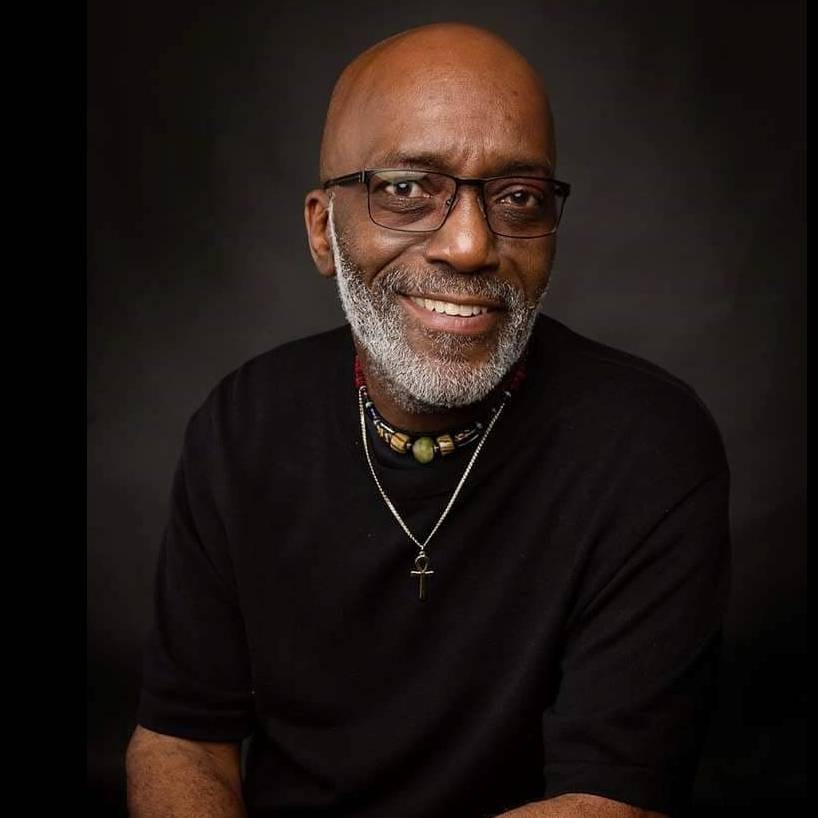
Kenneth D. Thompson Sr. is a distinguished advocate for children's and fathers' rights, renowned for his extensive contributions to public service and community development, including the City of Austin’s Quality of Life Study on Aging. Mr. Thompson recently released his first book, Full Circles: The Circles of Life Navigated to Become the Father I Wish I Had, which is available on Amazon.
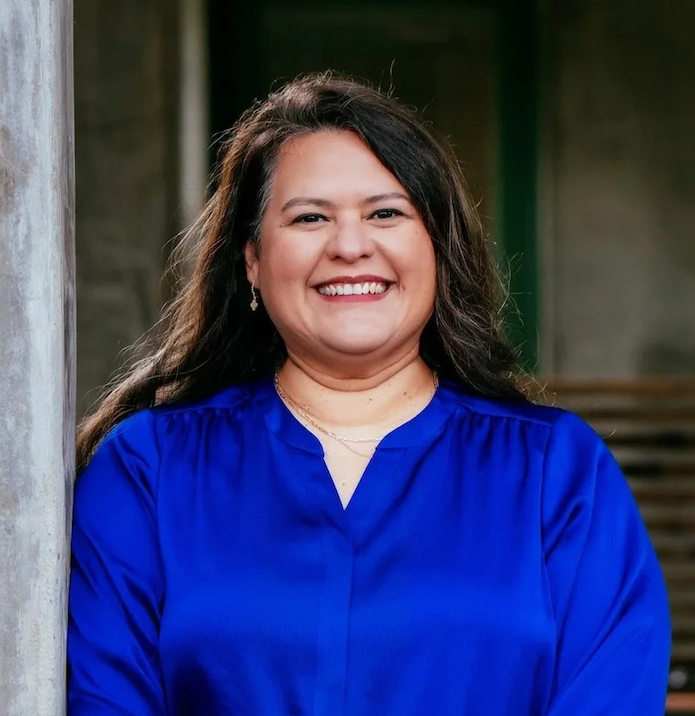
Laura J. Cortez, PhD, is a native of the Rio Grande Valley and has lived in Austin for over 25 years. After an extensive career in higher education and leading the Colony Park Sustainable Community Initiative, she kicked off her own firm, Cortez Consulting. Laura’s team recently led the community engagement design and implementation for the City of Austin’s Quality of Life Study on Aging.
.png)


.svg)